Fisher-Price Little Superstar Step and Play Piano: Worth Buying for 6-36 Months?
2026-08-25 · Miriam Adler
-
Is the Little Superstar Step and Play Piano Worth Buying?
-
The Developmental Case Behind the Step-and-Play Piano
-
Which Age Group Should Use It?
-
Safety Record: A Timeline of Fisher-Price Recalls
-
A Simple Checklist to Verify Your Piano Model
-
Ongoing Safety Updates Matter More Than You Think
-
Final Verdict: Should You Buy It Now?
Short answer: yes for most families with children 6 to 36 months, but only if you verify the exact model against current recall lists and supervise the first play sessions. The piano's developmental value is real—a baby steps, hears a sound, and learns cause and effect—but safety checks come first.
Is the Little Superstar Step and Play Piano Worth Buying?
Is the Fisher-Price Little Superstar Step and Play Piano genuinely worth buying? For most families with children 6 to 36 months, the honest answer is yes—provided you verify your specific model against current recall lists and supervise the first play sessions. That conditional verdict matters because even trusted brands issue recalls, and the piano's small parts deserve the same scrutiny as any other piece of baby gear. The toy itself offers real developmental value: a baby steps on a key, hears a note, and learns that her action produces a sound—the classic cause-and-effect loop behind motor planning and cognitive growth. But that value holds only if the toy is safe for your child's age and free of loose parts. This guide tells you exactly what to check, which age bands fit, and where the brand's safety record stands today.
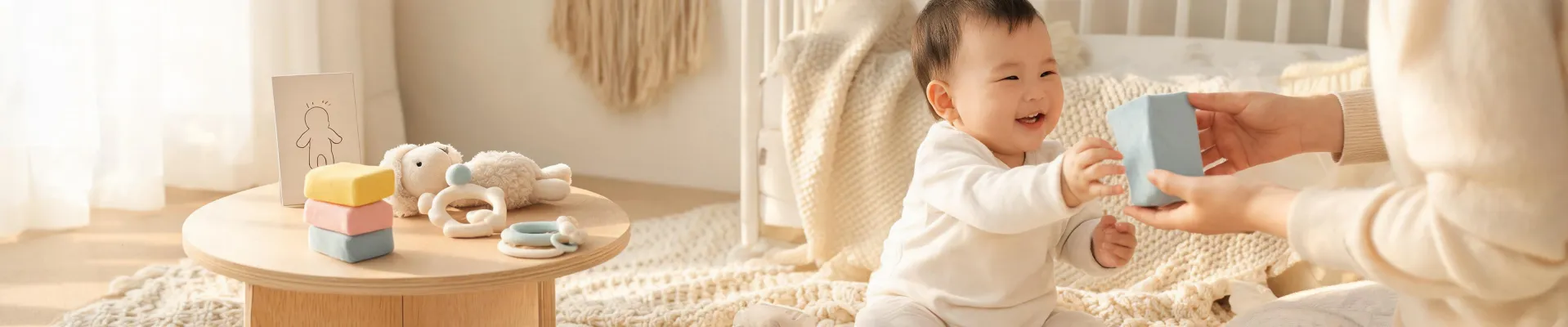
Picture a parent scrolling through online toy listings at 9 p.m. while a 9-month-old naps nearby. The piano catches their eye, but two questions follow: will it help development, and is it safe? On the development side, the step-and-play design turns standing and stomping into music, reinforcing balance, weight shifting, and cause-effect reasoning. On the safety side, the answer is less automatic. A brand name alone does not guarantee a specific toy is defect-free or age-appropriate. The smart buying process has three steps: check the model against official recall databases, confirm it matches your child's abilities, and supervise the first few uses. If that feels like extra work, that's the point—recent recalls show even established manufacturers issue them, so a five-minute check is cheap insurance. This article gives you the exact checklist, developmental background, and safety timeline to decide with confidence.
The Developmental Case Behind the Step-and-Play Piano
Why does a step-and-play piano count as a developmental tool rather than just a noise-maker? Because it turns a baby's own movement into a truly immediate, predictable response. When a child presses a key with her foot and hears a note or a phrase, she connects actions to outcomes—a cognitive skill underlying problem-solving. Fisher-Price's official product pages reinforce this by separating toys into age-specific groups, from the youngest infants to preschoolers. That structure suggests the company designs features around the milestones it expects at each stage: a 6-month-old may respond to lights and sounds, while a 2-year-old uses the same toy for more complex play. In other words, the piano's cause-and-effect loop isn't an accident; it's part of a broader design philosophy matching play features to developmental windows. The brand's own age-tiered segmentation places a toy like this in the 6-12 Months or 1-2 Years band, clearly signaling that the play value is geared to specific skills.
Now imagine an engineer's view for a moment. A 9-month-old sits in front of the piano, reaches out, slaps a key; a light flashes and a note plays. Her eyes widen, and she does it again. That repetition is not random—it's the brain building a neural pathway, or 'contingency learning': the infant learns her behavior causes a specific event. Fisher-Price's milestone-focused product structure groups toys into bands like 0-6 Months and 6-12 Months, and the piano's features are calibrated to the motor skills typical of those bands—kicking, stepping, and pressing. The brand emphasizes 'help them reach important milestones,' which reflects an underlying product architecture. For parents, the takeaway is that this toy supports causal reasoning because it responds reliably to the child's own actions. The less obvious part: the same mechanism that makes it educational also makes supervision important—a curious child may try to pull off small pieces, which is where the safety checks in the next sections come in.
Which Age Group Should Use It?
Which age band does the Little Superstar piano fit? Fisher-Price's website breaks its products into tiers: 0-6 Months, 6-12 Months, 1-2 Years, 3-4 Years, and 5+ Years. A step-activated piano with chunky keys and bright lights slots naturally into the 6-12 Months and 1-2 Years bands, the stages when babies can pull up, stand with support, and press with a foot. These labels reflect the fine-motor and gross-motor abilities typical of each group. For a 6-month-old, the piano works as a floor toy with a parent helping tap keys. Around 9-12 months, a child may press keys independently while holding the toy for balance. By 18-24 months, the same piano becomes a cause-and-effect game, and a toddler might use it to name colors or numbers if available. Fisher-Price's product segmentation indicates the piano is designed for the transition from sitting to standing, so the practical window is 6 to 36 months, with adult supervision at the younger end.
At home, the age fit shows in moments. A parent places the piano on a rug; their 10-month-old grips the edge, steadies herself, and stomps one foot. A note plays, she laughs, then stomps again—her way of saying 'again.' That scene is adorable and developmentally on-target: the toy rewards standing and weight-shifting, the skills a child builds between 6 and 12 months. By age 2, the same piano may be used differently—she presses keys in a pattern and expects a song, or uses buttons to pick a mode, turning it into a preschool activity. The age-tier system helps parents choose the right start, but warns against forcing a toy too early. A 4-month-old who cannot sit up will not get much from a step piano, while a 3-year-old may outgrow the simple cause-and-effect loop unless they use it for imaginative play. Guidance: introduce it when your child can sit with support and show interest in pressing things, and keep it through toddler years.
Safety Record: A Timeline of Fisher-Price Recalls
Fisher-Price's recall timeline starts with a 2010 example. On September 30, 2010, the company recalled about 2.8 million infant toys in the US and 125,000 in Canada because a valve on an inflatable ball could come off, posing a choking hazard. Affected products: Baby Playzone Crawl & Cruise Playground (73408), Crawl & Slide Arcade (B2408), Ocean Wonders Kick & Crawl Aquarium (C3068 and H8094), Baby Gymtastics Play Wall (H5704), 1-2-3 Tetherball (J0327), and Bat & Score Goal (K0476). That tells a parent shopping today: a single defect can strike across an entire major product family, and the brand name does not exempt a toy from risk. The remedy was replacement, with Fisher-Price at (800) 432-5437. For the piano, the lesson is not that all Fisher-Price toys are dangerous; each model has its own risk profile, so check the specific model number against official databases, not just the brand.
The most recent example came on August 29, 2024, when Fisher-Price voluntarily recalled about 366,200 dumbbell toys because grey caps on the ends could detach, creating a choking hazard for infants. The recalled toy came with the Baby Biceps Gift Set (model GJD49), sold for about $18 at retailers and online from April 2020 through August 2024. The CPSC reported seven incidents of caps coming off, though no injuries. It's particularly relevant to the piano because it shows even a simple plastic toy can have a hidden failure mode. The dumbbell was intended for babies 3 months and older, and its recall reminds us that small parts and tight tolerances matter. For a step-and-play piano with multiple keys and decorative pieces, the same scrutiny applies: check whether any part can be pulled off, and look up the model number in official recall databases. It also shows Fisher-Price does issue corrective actions, so a model safe today could be recalled tomorrow—which is why the next section gives you a repeatable checklist.
A Simple Checklist to Verify Your Piano Model
How do you verify your specific piano isn't part of a recall? The 2024 dumbbell recall shows the steps: locate the model number—the Baby Biceps Gift Set was GJD49—then search the CPSC website and Fisher-Price's official recall page. The recalled toy was sold for about $18 from April 2020 through August 2024. The recall notice listed the date and the hazard. For the Little Superstar piano, the model number is on the product's underside or packaging. Write it down, go to cpsc.gov, and type it into the search bar. Also check Fisher-Price's safety page, because some recalls are announced there directly. If your model appears, stop using the toy and follow the remedy instructions—often a free replacement part or refund. If it does not appear, that's a good sign, but not a permanent guarantee. Fisher-Price asks consumers to register products, so register the piano to receive future recall alerts. This five-minute routine is the minimum due diligence before letting a baby play with any toy.
Comparing a Fisher-Price piano to a no-name alternative shows how the safety check changes the value equation. A generic toy may be cheaper but often lacks a model number, a documented recall history, and a manufacturer that publishes age tiers. Fisher-Price's product pages carry identifiers like fp_landing_mtp_010626 and fp_landing_mtp_6-12mos_010626 that tie a product to a specific line and age band—useful metadata for tracking recalls. With a no-name toy, you may not even have a model number to search, so you cannot determine if it's been recalled. A recognized brand gives you a system: official recall pages, contact lines, and a replacement process. The 2024 dumbbell recall included instructions, and the 2010 recall provided a phone number, (800) 432-5437, open from 9 a.m. to 6 p.m. ET. Few generic toys have that infrastructure. So the piano may cost more, part of what you're paying for is traceability—and in safety matters, traceability is worth the difference.
Ongoing Safety Updates Matter More Than You Think
Why should a parent keep checking for updates after the toy is already in the living room? Because safety standards and recall lists are not static. Fisher-Price's official homepage is a living document, with product identifiers and age-group cards shifting across the seasons. The brand's site displays dynamic catalog tags like fp_landing_mtp_010626 and fp_landing_mtp_6-12mos_010626, which change as products are reorganized and replaced. That same dynamism applies to safety: a toy that passed standards last year can be recalled this year if a new defect emerges. The practical habit is to set a reminder every few months and run the model number through the same search you did before buying. It takes five minutes and could prevent a preventable injury. The key is to treat a clean check as a snapshot, not a lifetime guarantee.
Once a new toy enters the home, the parent's job does not end at unboxing. Toy safety follows a simple chain: a small part loosens, a baby puts it in her mouth, and a quiet afternoon becomes a hospital visit. Rare, but the stakes are high enough that periodic checking is worth five minutes. Consider how the piano is used—a child steps on a key, a sound plays, and she repeats. That repetition also means she keeps touching and pulling at parts until something gives. Recalls have happened because small components detached after normal use, unpredicted. Manufacturing and materials can change over time, so a product safe for a batch last year might not be safe for a batch today. That is why the CPSC and manufacturers recommend registering products and checking recall lists periodically. The habit is not about fear; it's about matching the toy's safety status to its current condition.
Final Verdict: Should You Buy It Now?
After the developmental match, age-fit mapping, and safety timeline, the verdict is clear. Yes, buy the Fisher-Price Little Superstar Step and Play Piano—if you will spend five minutes checking the exact model number before purchase and supervise the first play sessions. For a child between 6 and 36 months, this toy delivers a solid cause-and-effect experience that supports motor and cognitive growth, and it fits neatly into the brand's age-tiered lineup. But the conditional part matters: recall history shows a recognizable label is not a safety seal. Verify your model against the CPSC and Fisher-Price recall lists, and register the product for future alerts. If you won't do those steps, a simpler toy with fewer small parts might be better. If you will, this piano offers a good balance of play value and developmental payoff for the price.
Remember the opening question—is the piano worth buying? The answer now has a boundary. It is worth buying for a 9-month-old starting to stand, provided the exact model is recall-free and an adult is nearby during play. It is less justified for a child younger than 6 months who cannot use a step piano, or for parents expecting a set-and-forget toy. The piano's value lies in interaction, and interaction requires presence. Supervision that keeps a child safe also deepens the learning moment—sing along, count notes, celebrate each stomp. The trade-off: the toy is a tool, not a babysitter, and safety checks are part of using it well. When those conditions are met, the Little Superstar Step and Play Piano earns its place in your home.
The Little Superstar Step and Play Piano is worth buying when you verify the exact model's recall status and supervise play. It is a tool, not a babysitter: the safety checks and your presence are what turn its cause-and-effect magic into a genuinely good buy for 6- to 36-month-olds.

Miriam Adler
Miriam Adler is an educational and STEM toy analyst specializing in busy boards, Montessori-style manipulatives, learning towers, sound books, reading pens, pretend-play sets, and early learning toys. She applies ASTM F963 and IEC 62115 methods while evaluating small-part hazards, accessible edges, switch durability, sound output, battery access, pull force, and age-appropriate task complexity. Her work helps parents, retailers, and product teams choose learning products that align developmental goals, supervision needs, interaction design, and the intended age stage.